
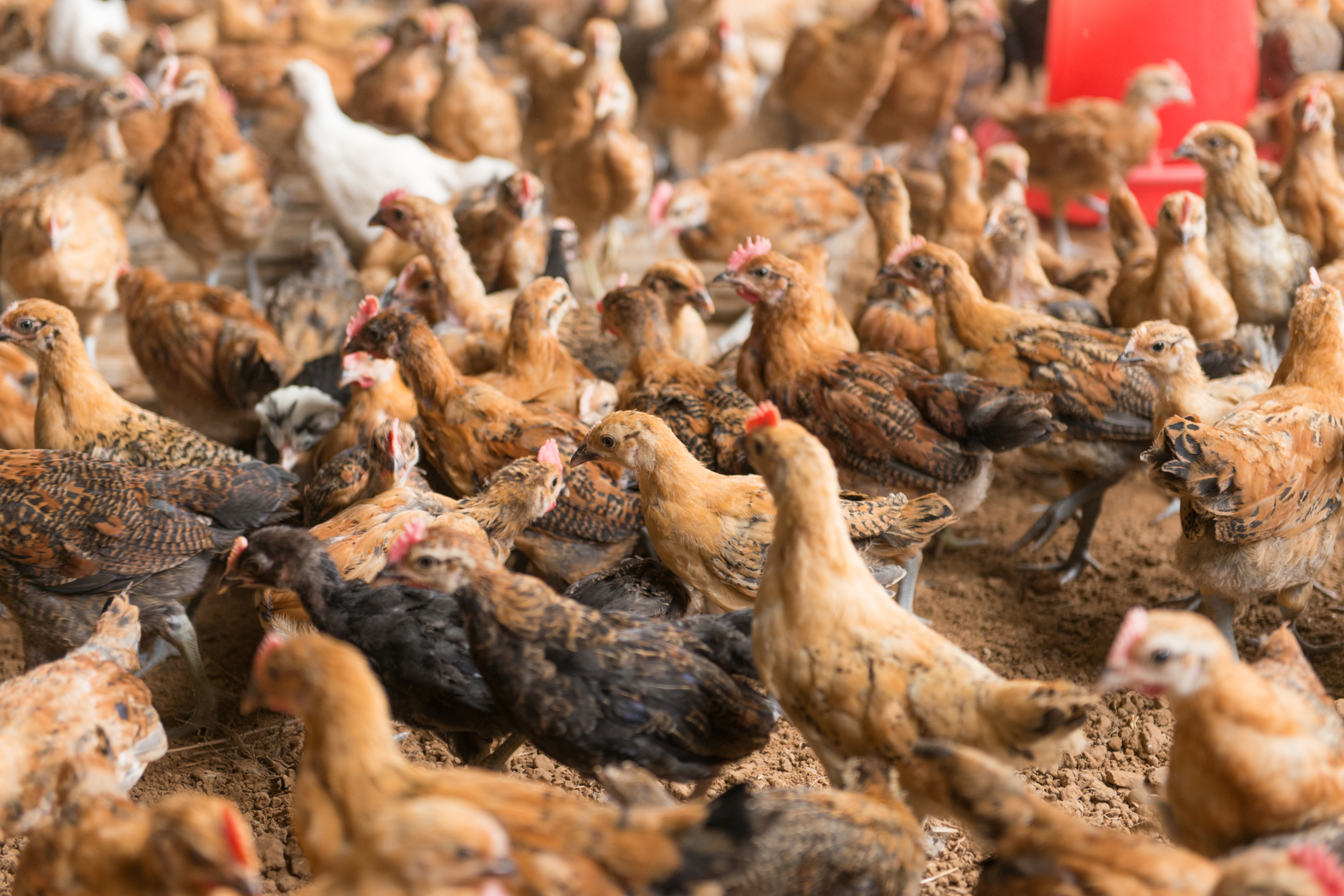
Can wastewater from poultry farming become a valuable resource? Several poultry farmers in the Belgian province of Antwerp joined a testing initiative with BelleAqua Agro and BLUE FOOT Membranes to explore how contaminated cleaning water could be treated and reused.
The project aimed to reduce dependence on groundwater while investigating reliable and cost-efficient wastewater treatment technologies for agricultural applications.
Why water reuse matters for poultry farming
Poultry farms use water for various activities, including cleaning and maintaining animal housing. Traditionally, these operations can depend heavily on groundwater or drinking water.
At the same time, agricultural businesses face increasing pressure to manage water consumption and environmental impact. Wastewater treatment and reuse can offer opportunities to reduce freshwater demand.
For poultry farmers, treating cleaning water on site could help conserve groundwater and support more efficient water management.
Treating a challenging wastewater stream
Wastewater generated during poultry house cleaning contains organic matter, manure residues, wood chips and suspended solids. This results in relatively high biochemical oxygen demand (BOD) and chemical oxygen demand (COD).
Depending on the wastewater composition and intended reuse application, additional treatment may be required to address nutrients, salts and microorganisms.
Working with BelleAqua Agro, the project investigated different combinations of pre-treatment and post-treatment technologies to identify an appropriate treatment process.
Testing BLUE FOOT membrane technology
One of the technologies evaluated was the IPC® flat sheet ultrafiltration membrane developed by BLUE FOOT.
Our membrane technology provides a physical barrier for suspended solids and microorganisms. Its robust, truly backwashable construction supports effective membrane cleaning and stable filtration performance.
The proposed treatment concept also included additional disinfection, such as UV treatment, to prepare the water for potential reuse in stable cleaning.
The objective was to investigate whether treated poultry farm wastewater could replace part of the freshwater used for cleaning animal housing, while meeting the required water quality standards.
Balancing water savings and operating costs
Technical performance was only one part of the evaluation. The project also considered the economic feasibility of implementing wastewater treatment at poultry farms.
Reliable filtration, manageable maintenance requirements and overall Total Cost of Ownership (TCO) are important factors when selecting treatment technologies.
By testing different configurations, BelleAqua Agro and BLUE FOOT aimed to identify an approach that could combine effective water treatment with practical operation.
Exploring more sustainable water management
The initiative highlighted the growing relevance of water recovery beyond traditional industrial and municipal applications.
For agricultural businesses, finding ways to treat and reuse wastewater could help reduce pressure on groundwater resources.
Through collaborations with partners such as BelleAqua , BLUE FOOT contributes membrane technology and filtration expertise to projects exploring more efficient water use.
Learn how our robust, backwashable flat sheet IPC® membranes support reliable wastewater treatment in membrane bioreactor applications.